
Inside a Licensed Psilocybin Journey in Bend, Oregon
Healing often begins when we slow down enough to listen. In my work as a Licensed Psilocybin Facilitator and Transformational Coach, the most meaningful shifts happen when we create a space that feels safe enough for the body to soften, the nervous system to settle, and something deeper to come through.
In this post-journey interview, Matt Faldmo of Deschutes Rolfing, one of my Community Partners, shares what it was like to prepare for, move through, and integrate a psilocybin journey with me, Cate Ritter of Prism Bend, in Bend, Oregon.
As someone rooted in structural integration and sound therapy, Matt was curious about what psilocybin could offer through a more intentional experience. His reflections offer insights into what this work looks like when approached with care.
Why Preparation Matters
One of the clearest themes in Matt’s interview was the importance of preparation. Before his journey, we met for a two-hour Zoom preparation session designed to help him understand the process, clarify intentions, and shift into receiving mode so he could surrender to the experience.
Matt described our preparation as a roadmap. It helped him know what to expect physically, emotionally, and energetically, and it helped make the experience feel real in a deeper way, like something meaningful had already begun moving.
That’s something I see often in this work. The journey doesn’t begin when the medicine is taken. It begins when you set your intention to work with psilocybin and commit to your inner work.
When the Body Speaks Up
About 36 hours before Matt’s journey, he threw his back out. He was in pain, feeling unsure, and wondering whether that would distract from the experience. Rather than making it negative, he described it as “a bit of a test.”
So often, right before deep healing work, the nervous system gets activated. Fear, resistance, and tension rise. Old patterns resurface. Sometimes the body gets louder right before something is ready to shift.
This is one of the reasons the container matters so much. When there’s enough safety and support around the experience, those moments of activation before the journey can be part of the process itself.
The Importance of Setting
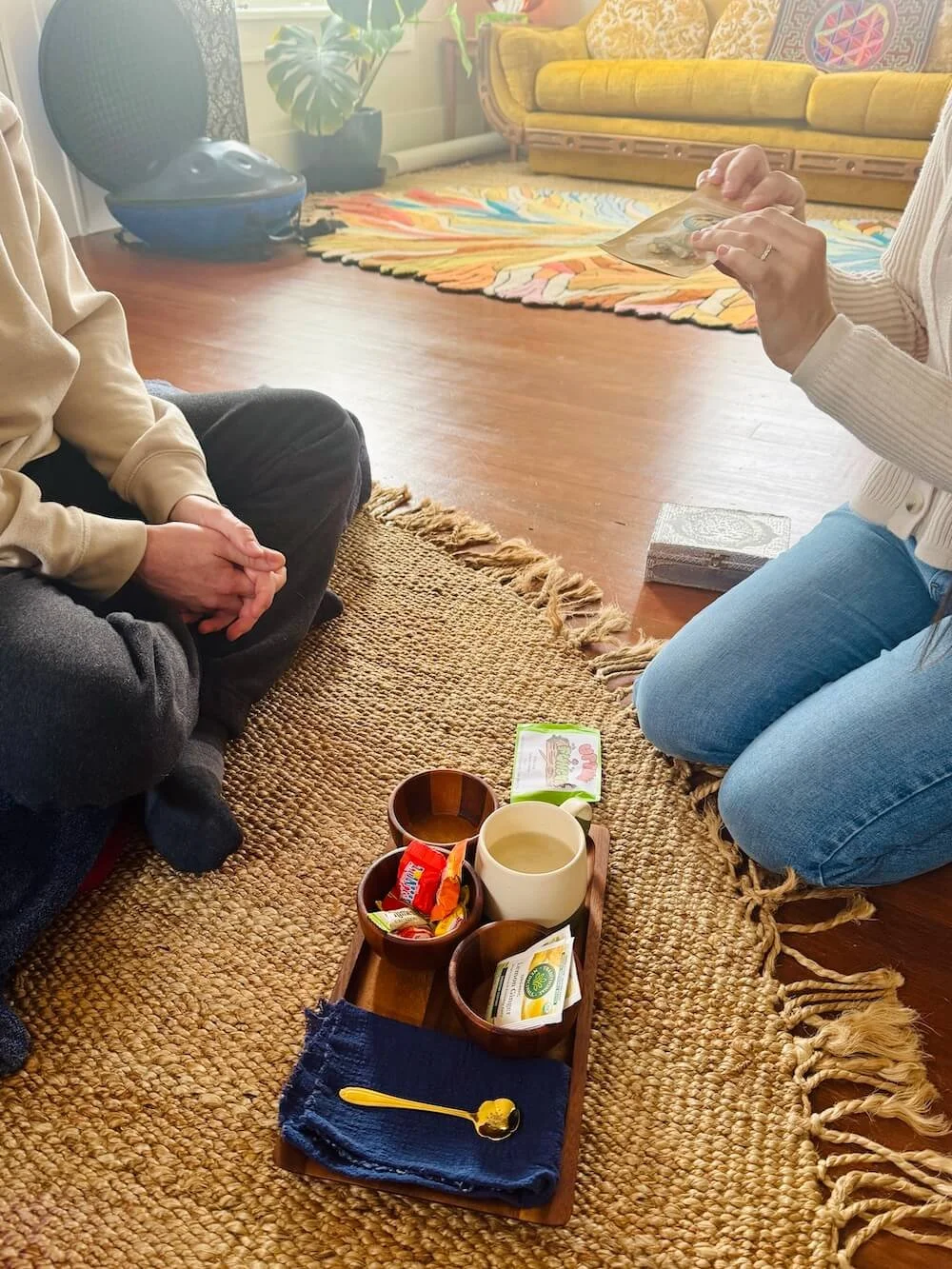
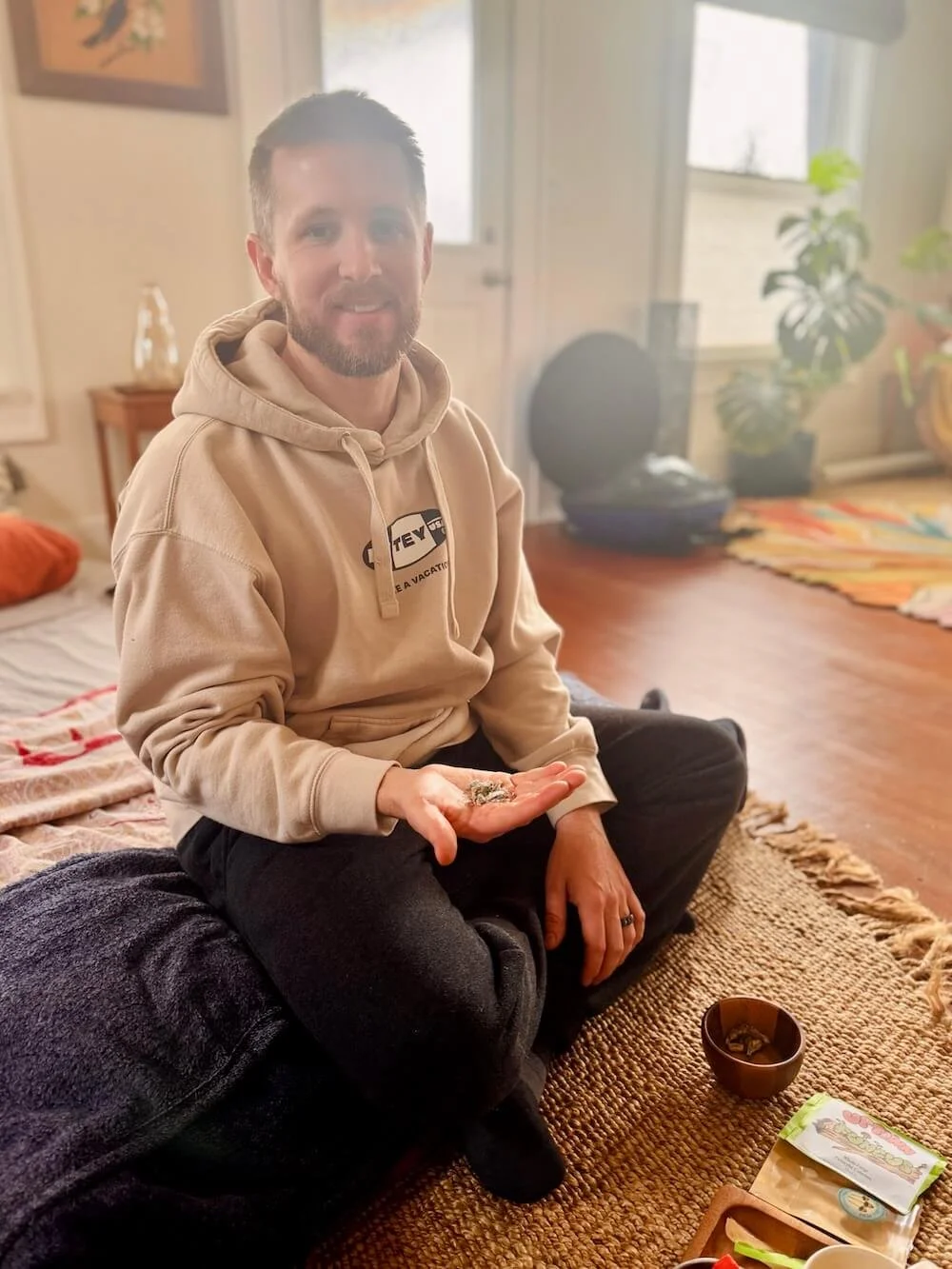
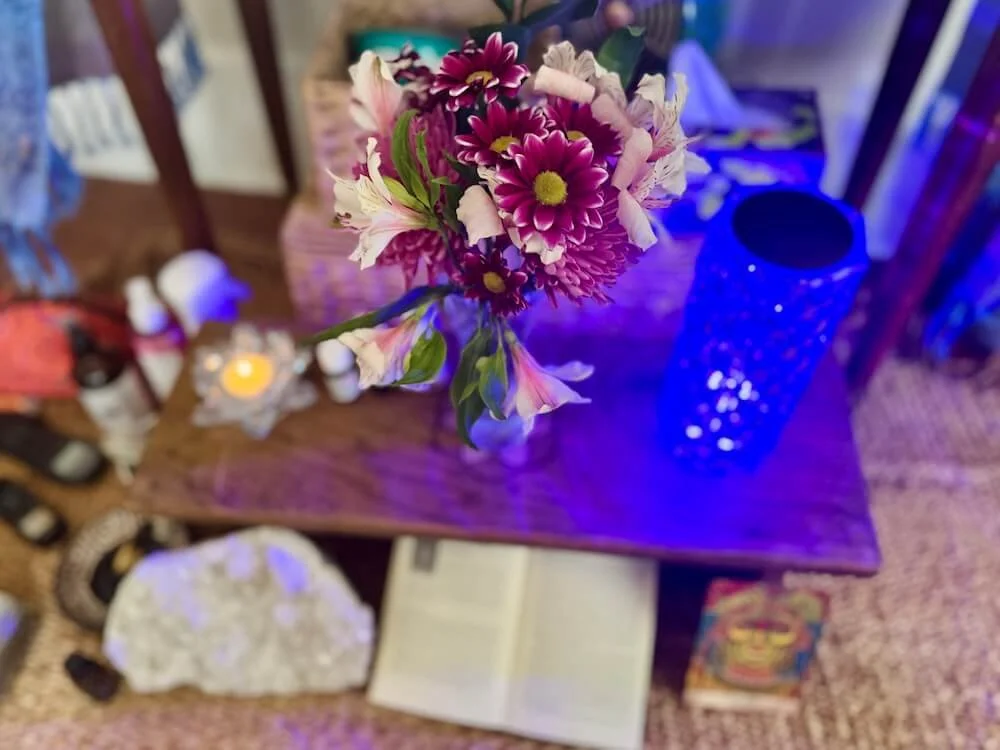
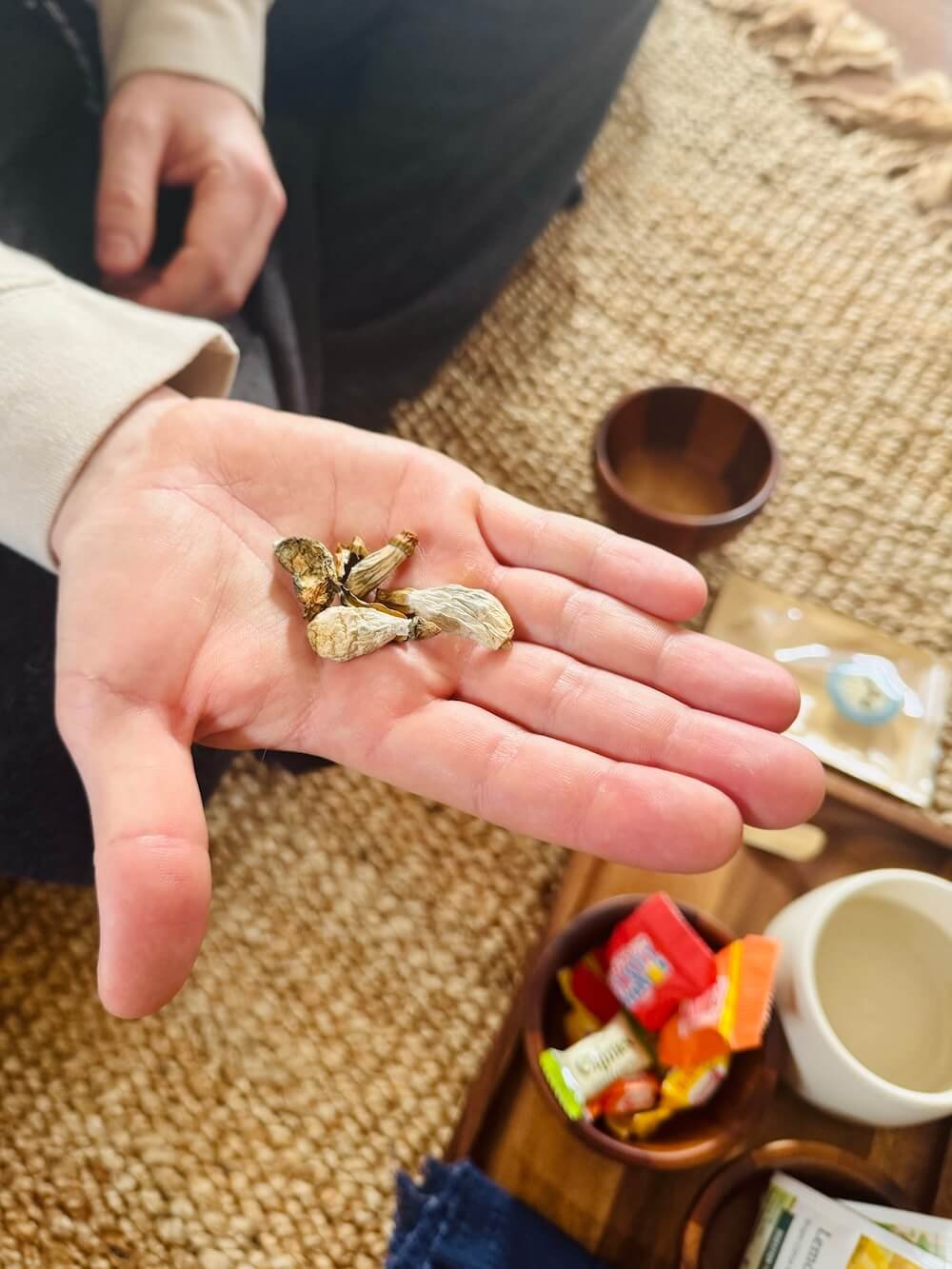
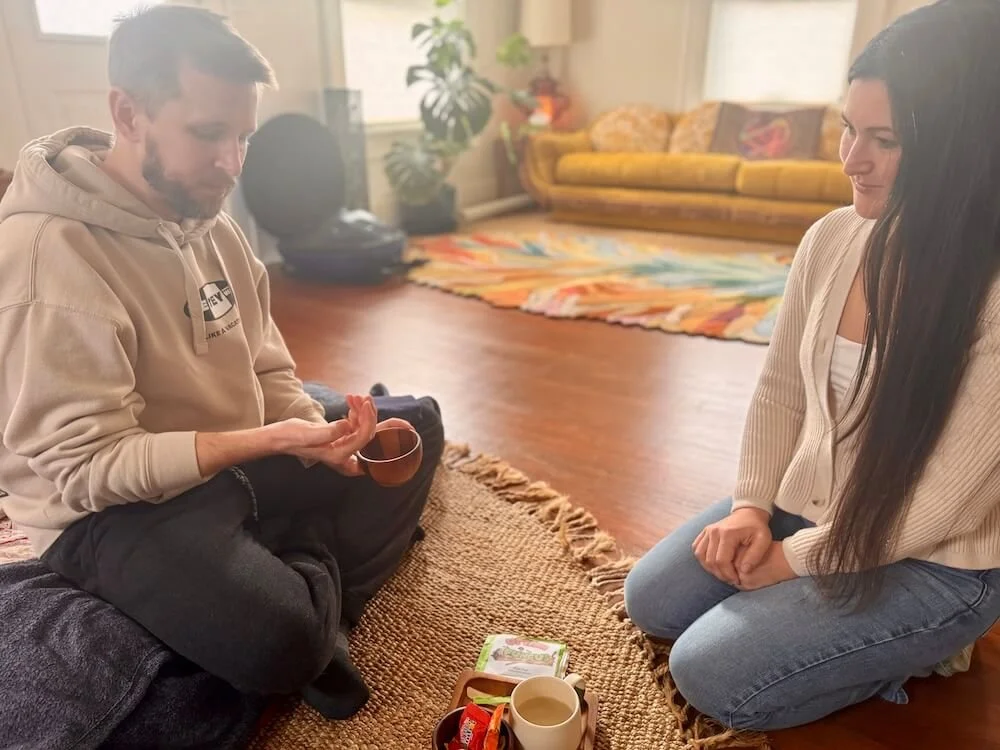
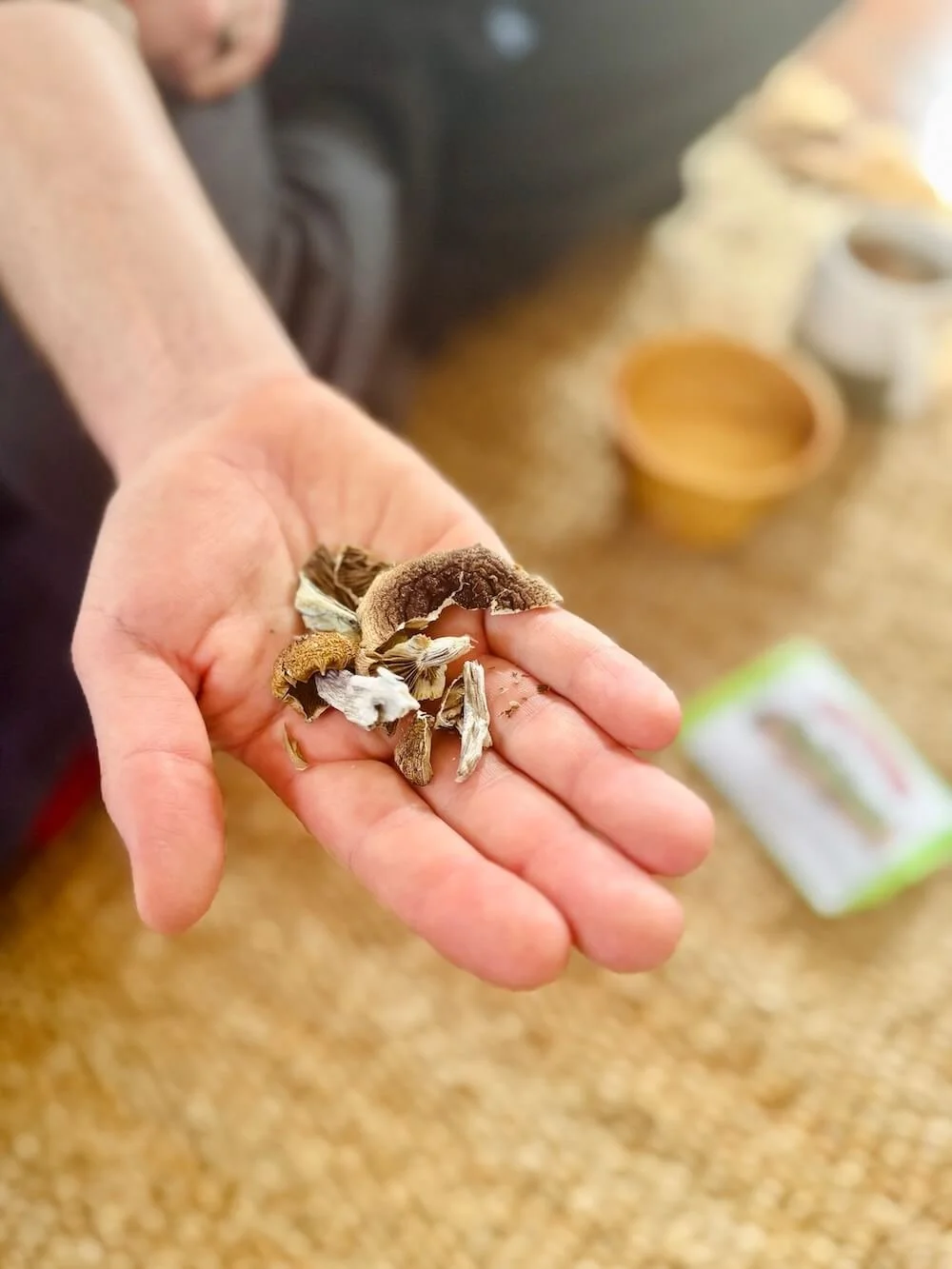
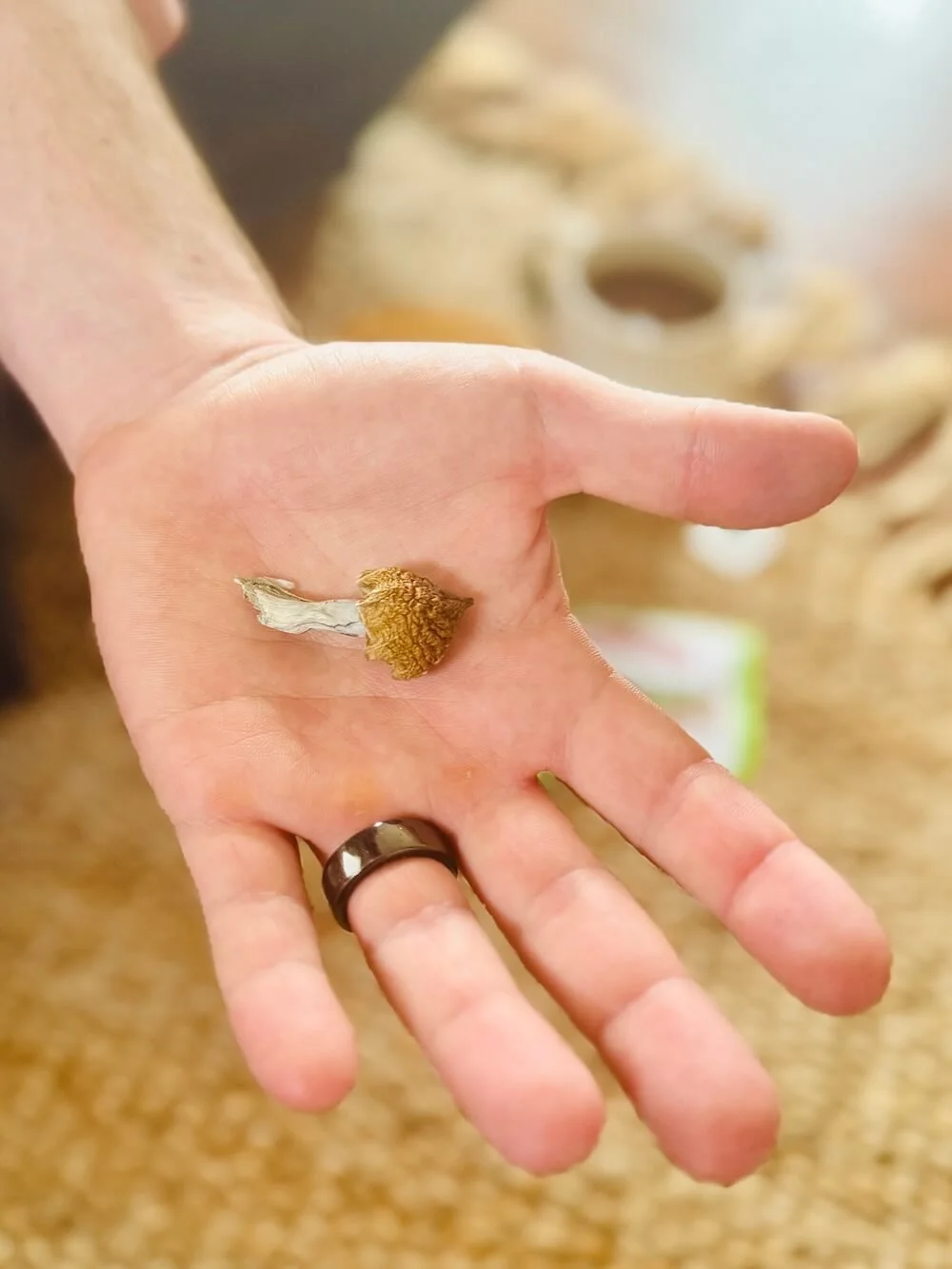
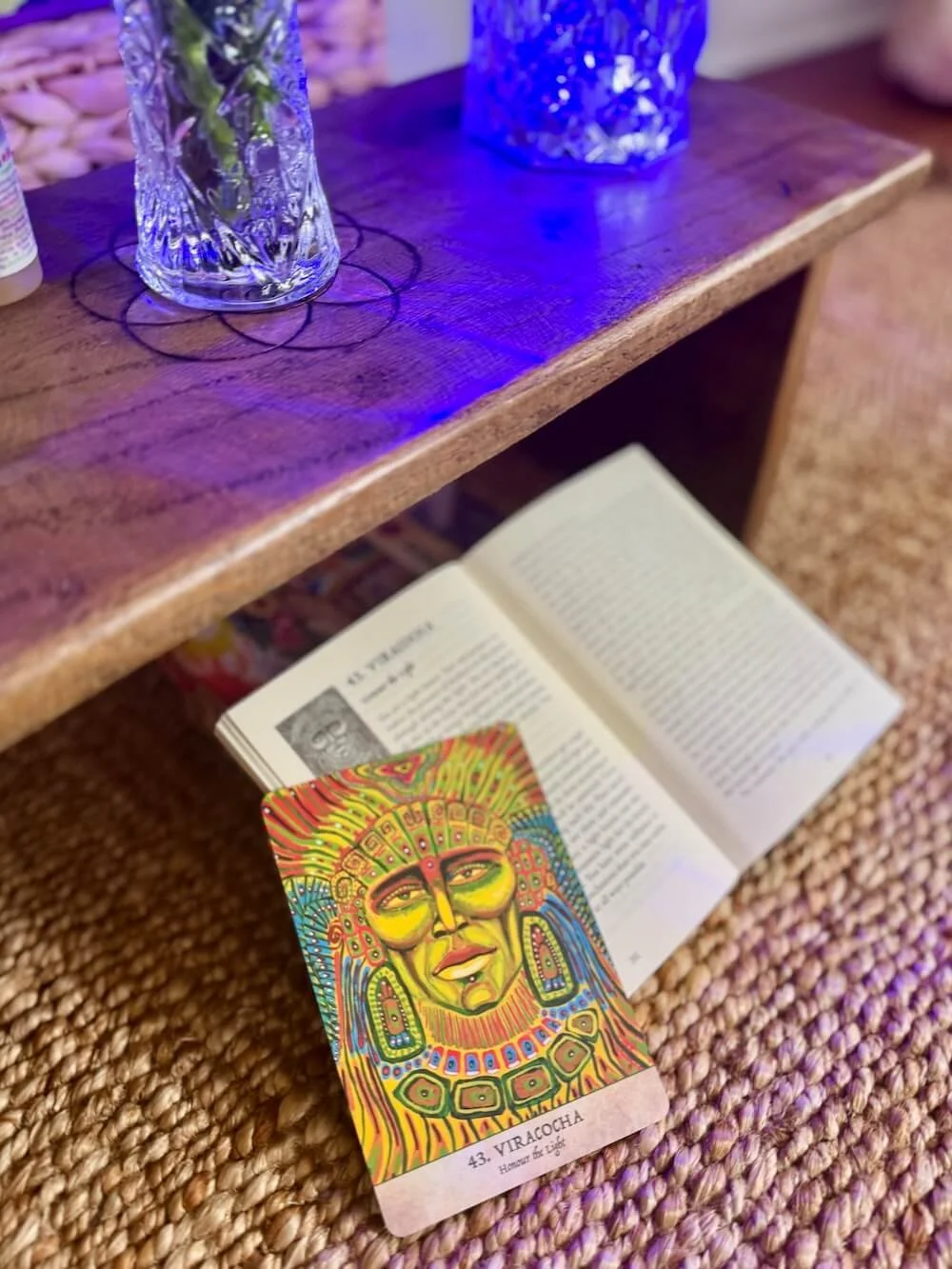
Matt spoke beautifully about arriving at Bendable Service Center in downtown, Bend. Like many, he was apprehensive about being inside. He loves being in nature and wasn’t sure how an indoor setting would feel. But what he found was something very different than what he expected.
He described pulling up to the center feeling like he was visiting a family member. The space felt peaceful and comforting. He loved that this was “one thing you don’t have to worry about.” When someone is preparing for a psilocybin journey, there’s already plenty going on internally. The setting shouldn’t add stress. It should allow the body to relax, mind to quiet, and work to unfold.
Matt shared that once he was inside, the setting felt cozy, private, and supportive. Not clinical or sterile. Just held. By the end of our conversation, he said he could not imagine it any other way.
From Holding Space to Receiving Support
Another theme I loved in Matt’s interview was the shift from being the one who usually holds space to being the one receiving support.
As a practitioner himself, he’s used to helping others. And I think many people will relate to that, whether they’re healers, caretakers, parents, partners, or simply people who are more comfortable giving than receiving.
A big part of this journey for Matt was allowing himself to let go of control and be supported. That showed up in the preparation, the setting, and the way he spoke about facilitation. He shared how meaningful it was to have a professional guide there throughout the experience, someone to hold the space, take notes, and be available when needed without hovering or interrupting the flow of his journey.
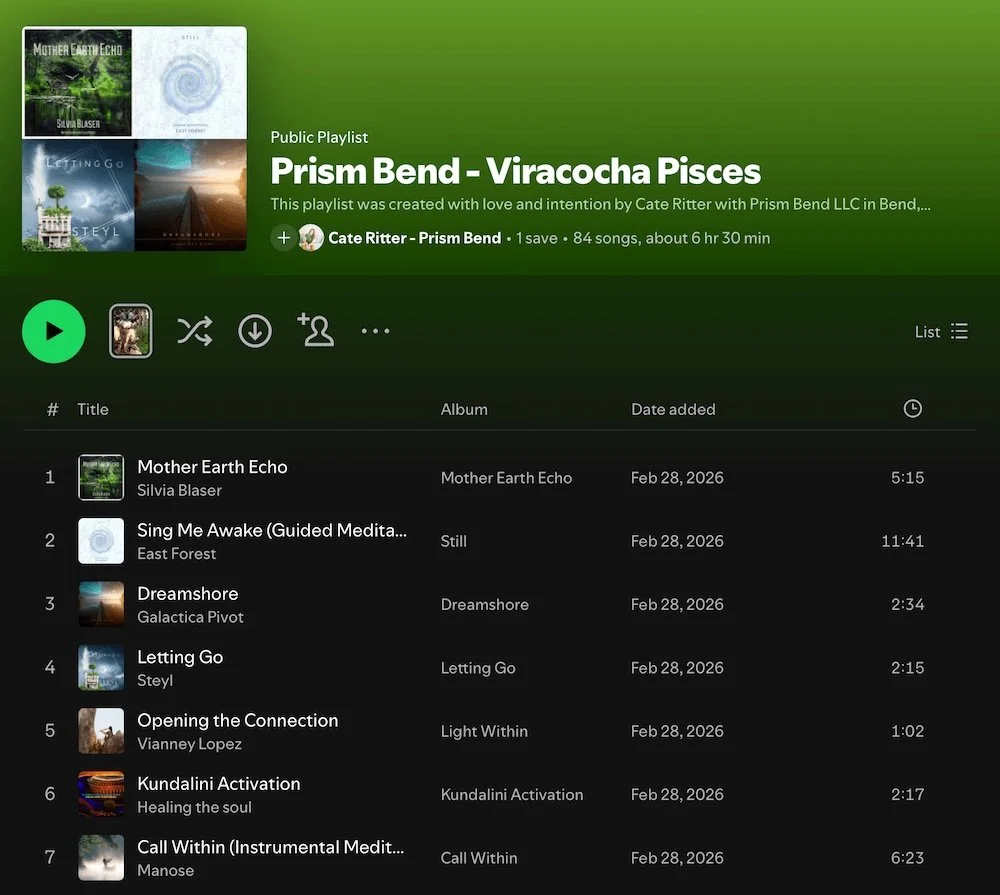
Music as Part of the Container
Music was another powerful part of Matt’s experience. Because he works in sound therapy, he wasn’t sure what it would be like to surrender to a playlist he hadn’t created. And yet that ended up being part of the gift.
Rather than listening to music already tied to his own memories and preferences, he entered the experience with fresh sounds and textures. He said the reward was immense. The music helped him flow through the entire day, and having the Spotify playlist afterward gave him something to return to in integration.
That’s one of the reasons I put so much love and intention into each playlist I create. Music can be an important part of the container itself, helping to regulate, support, soften, and move things along when words are no longer needed.
Why Integration Matters
One of the strongest parts of Matt’s reflection was what he shared about integration. He spoke about how meaningful it was to receive my notes from his journey afterward. Being able to revisit what came through helped him integrate more than he expected. It gave him something tangible to return to, something that helped bridge the experience itself with the days that followed.
Integration is how insight becomes embodied. It’s how something meaningful gets carried forward, rather than staying behind as a beautiful but distant memory.
Matt shared a metaphor, saying it was like cleaning the windshield after a long road trip. Sometimes things build up so slowly that you don’t realize how much your view has been affected until you finally clean it and can see clearly again.
Final Thoughts
What I appreciate most about Matt’s perspective is that it’s honest and grounded. He doesn’t make the journey sound like a quick fix. He speaks to the importance of readiness, support, trust, safety, and doing your inner work. And he reminds us that this can be a deeply meaningful experience when held in the right container.
Psilocybin is a powerful tool and teacher. And when approached with care, preparation, and integration, it can support deep and lasting transformation.
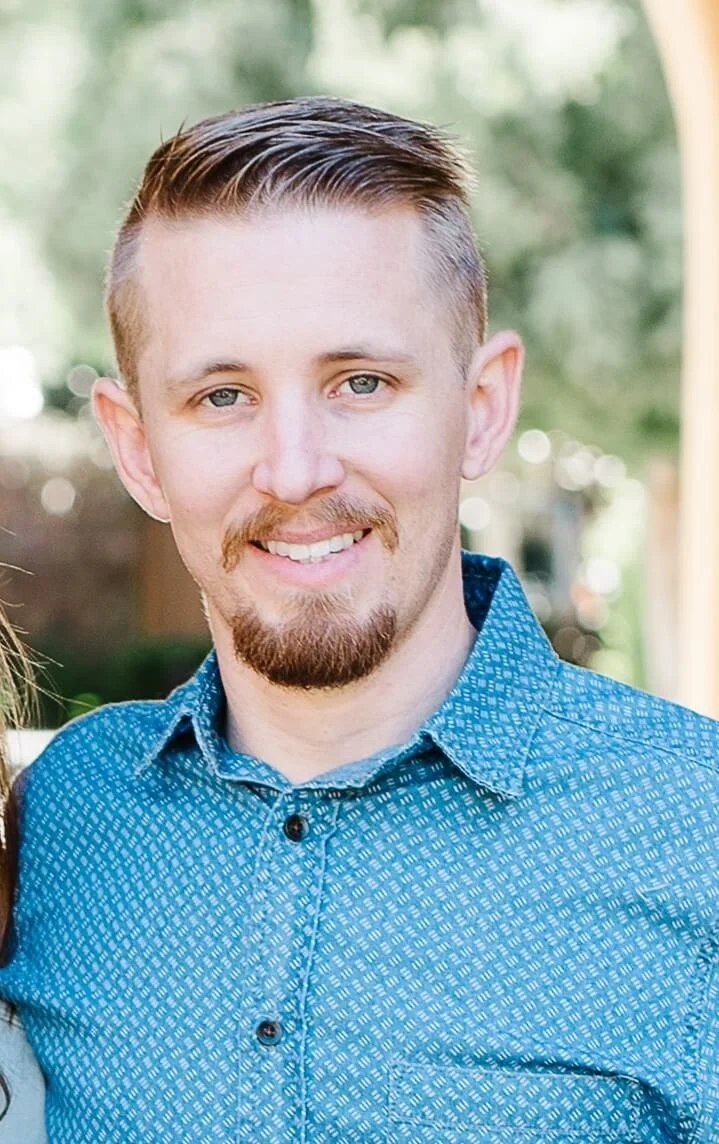
Matt Faldmo of Deschutes Rolfing
Matt offers Rolfing® Structural Integration, Biofield Tuning®, and sound-based nervous system work in Sisters and Bend, Oregon. His approach supports the body in unwinding long-held patterns, improving alignment, and restoring ease of movement through hands-on work and sound therapy.
Sessions meet each client where they are, whether addressing chronic tension, recovering from injury, or looking to feel more ease in their body. Learn more: deschutesrolfing.com

About The Author
Cate Ritter is a Licensed Psilocybin Facilitator and Transformational Coach in Bend, Oregon.
Through legal psilocybin services, preparation, and integration support, she helps people move through deep inner work with greater safety, clarity, and trust.
Her approach is grounded, relational, and designed to support meaningful transformation before, during, and after the journey.
DISCLAIMER: This information is provided for educational purposes only and should not be considered medical, mental health, or legal advice.